Bad backlinks are quietly killing your rankings right now.
You worked hard to build your website. You created helpful content. You followed all the SEO rules. But your traffic keeps dropping. Your rankings keep slipping. And you can’t figure out why.
Here’s what most small business owners don’t know. Those sketchy websites linking to you are dragging you down. They’re telling Google your site can’t be trusted. And Google is listening.
Every day, spam sites and low-quality directories add links to your website without permission. These toxic backlinks hurt your domain authority. They trigger Google penalties. And they steal your hard-earned rankings.
Most business owners never check their backlinks. Meanwhile, toxic links continue damaging their SEO in the background.
The good news? You can fix this problem in less than an hour. The top 10 backlink audit tools will scan your link profile, identify every toxic link, and show you exactly how to remove them.
This guide reveals these powerful tools that find and fix toxic links fast. Let’s clean up your backlink profile right now.
What Are Backlink Audit Tools and Why Do You Need Them?
Backlink audit tools are like health checkups for your website’s reputation.
They scan every website that links to yours. Then they tell you which links help you and which ones hurt you. Think of them as your website’s immune system. They spot the bad stuff before it makes you sick.
Here’s why you need one today.
Google looks at who links to you. If spam sites or shady websites point to your domain, Google assumes you’re part of that crowd. Your rankings drop. Your traffic disappears. And your business suffers.
A backlink audit tool helps you find these toxic links fast. Then you can remove them or tell Google to ignore them. It’s that simple.
Small business owners often ask me if they really need to check their backlinks. The answer is yes. Even if you never built links yourself, bad sites can link to you without permission. This happens more than you think.
How to Do a Backlink Audit in Simple Steps
Running a backlink audit sounds complicated. But it’s actually pretty easy once you know the steps.
Start by choosing your tool. Pick one from the list below that fits your budget. Most offer free trials, so you can test them before buying.
Next, enter your website URL into the tool. Hit the scan button and wait. The tool will crawl the internet and find every site linking to yours. This usually takes a few minutes.
Once the scan finishes, look at your overall health score. Most tools give you a score indicating how healthy your backlink profile is. Low scores mean trouble. High scores mean you’re doing great.
Now check your toxic link score. This shows you the percentage of your links that come from bad websites. Anything above 10 percent needs attention. Above 20 percent indicates serious problems.
Look through the list of backlinks. Focus on links with high toxicity scores first. These are your most significant threats. Check where they come from. Are they spam directories? Gambling sites? Adult websites? Write down the worst ones.
After identifying toxic links, you have two choices. Contact the website owner and ask them to remove the link. Or use Google’s Disavow Tool to tell Google to ignore those links. Most people do both just to be safe.
Finally, set up monitoring. Good audit tools will alert you when new toxic links appear. This way, you catch problems early before they hurt your rankings.
The whole process takes about 30 to 45 minutes the first time. After that, monthly checks take just 10 minutes.
What Is the Best Tool for Backlink Audit?
This is the question I hear most from beginners.
The truth is, there’s no single “best” tool. It depends on your needs and budget. But some tools do stand out from the crowd.
For most small businesses, I recommend starting with SEMrush or Ahrefs. Both offer powerful features without overwhelming beginners. They show you everything you need in simple charts and graphs.
If you’re on a tight budget, SE Ranking gives you solid results at half the price. You still get all the essential features. You don’t get some of the advanced stuff that most beginners won’t use anyway.
For agencies managing multiple clients, Majestic is hard to beat. It has the industry’s largest backlink database. Plus, it offers bulk checking tools that save hours of work.
Want something free to start? Google Search Console shows your backlinks for free. It’s basic, but it works for simple audits. Just don’t expect the detailed toxicity scores you get with paid tools.
The best approach is to try a few tools with their free trials. See which interface makes sense to you. Pick the one that feels easiest to use. A powerful tool you never use is worthless. A simple tool you use every month is priceless.
Which Tool Checks for Toxic Backlinks Most Accurately?
Finding toxic backlinks is the whole point of an audit.
But not all tools measure toxicity the same way. Some are way better than others at spotting problem links.
SEMrush leads the pack here. It uses 45 different markers to calculate toxicity scores. The system checks factors such as spam signals, site quality, and link patterns. Then it gives each link a score from 0 to 100. Anything above 45 is considered toxic.
Ahrefs takes a different approach. Instead of a toxicity score, it shows you spam flags. These warnings pop up when Ahrefs detects suspicious patterns. You see things like “links from gambling sites” or “unnatural anchor text.” This makes it super easy to spot problems.
CognitiveSEO uses artificial intelligence to detect toxic links. The AI learns from millions of penalized websites. It then applies that knowledge to your site. This catches patterns that other tools miss. The toxicity report is incredibly detailed.
Moz offers a Spam Score feature. It’s not as advanced as SEMrush, but it’s easier to understand. Moz looks at 27 different spam flags. The more flags a site has, the higher its spam score. Simple and effective.
For free options, WebCEO provides a decent toxic link checker. It’s not as accurate as the paid tools, but it catches obvious problems. Good enough for basic monitoring.
Here’s my advice. Use SEMrush or CognitiveSEO for your main audits. Cross-check suspicious links with Ahrefs for a second opinion. This combo catches almost everything.
Remember that no tool is perfect. Sometimes a link looks toxic but actually helps you. Other times, a link seems fine but causes problems. Use your judgment along with the tool’s scores.
Top 10 Backlink Audit Tools Every Small Business Should Know
Let’s break down the best tools in detail. Each one has strengths that make it perfect for specific situations.
Ahrefs Site Explorer
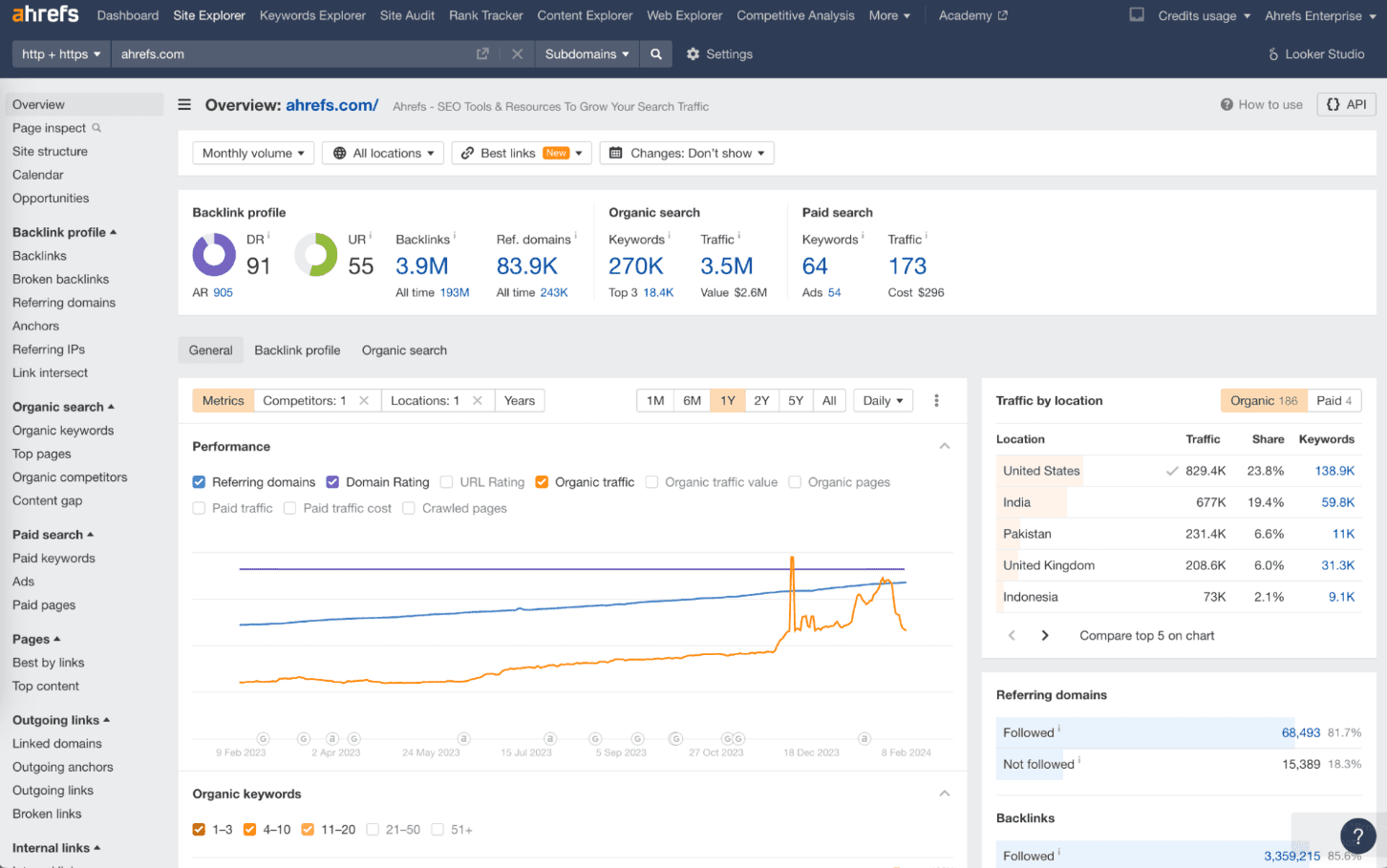
Ahrefs is the gold standard for serious SEO work.
The Site Explorer tool shows you every backlink to your site. You see referring domains, anchor text, and link quality scores. The interface is clean and easy to navigate, even for beginners.
What makes Ahrefs special is its massive database. It has over 400 billion indexed pages. This means it finds links that other tools miss. You get the most complete picture of your backlink profile.
The Backlinks report lets you filter by dozens of criteria. Want to see only dofollow links from high authority sites? Done in two clicks. Need to find links with exact match anchor text? Easy.
Ahrefs also shows you which pages on your site get the most backlinks. This helps you understand what content works. Then you can create more content like it.
The broken backlinks report is a lifesaver. It shows you valuable links that now point to dead pages. Fix these with redirects, and you recover lost link equity fast.
Pricing starts at $129 per month. Not cheap, but worth every penny if you’re serious about SEO. They offer a 7-day trial for $7 to test it first.
Best for agencies, serious marketers, and businesses that depend on organic traffic.
SEMrush Backlink Audit Tool
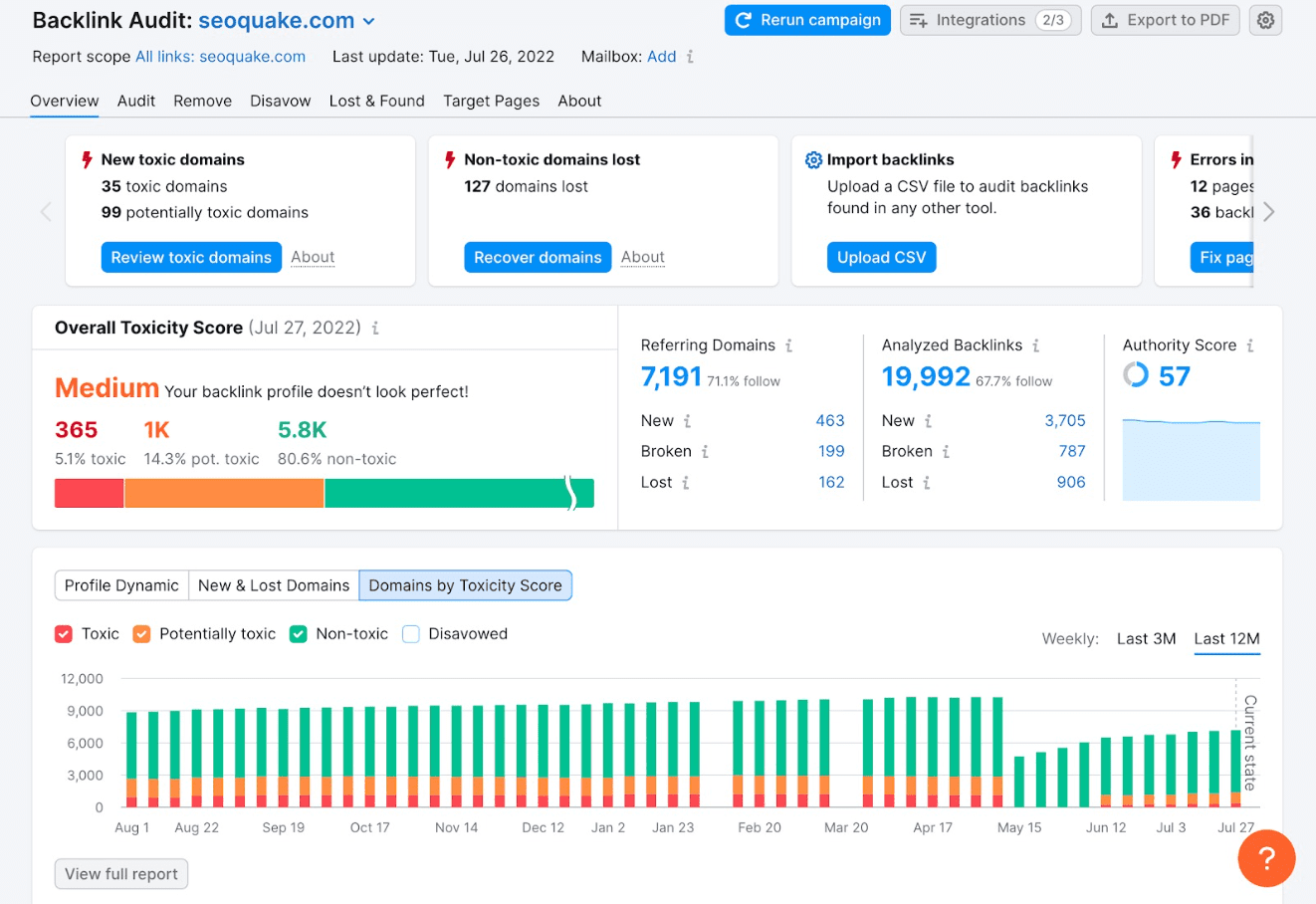
SEMrush is the most complete SEO platform available today.
The Backlink Audit tool is built right into the main dashboard. It automatically scans your links and sorts them into categories. You can see healthy, risky, and toxic links at a glance.
SEMrush excels at finding toxic backlinks. The system checks 45 different toxicity markers. Then it gives you an overall Toxicity Score for your entire site. You also get individual scores for each link.
The best part is the automated disavow file generator. Just click the toxic links you want to remove. SEMrush creates the disavow file for you in the correct format. Upload it to Google, and you’re done. No technical skills needed.
SEMrush also monitors your backlinks continuously. When new toxic links appear, you get email alerts. This lets you catch problems before they damage your rankings.
The competitor comparison feature is handy. See exactly which sites link to your competitors but not to you. These are your best opportunities for new backlinks.
Plans start at $139.95 per month. You can try it free for 7 days to see if it fits your needs.
Perfect for small businesses that want an all-in-one SEO solution with powerful backlink features.
Moz Link Explorer
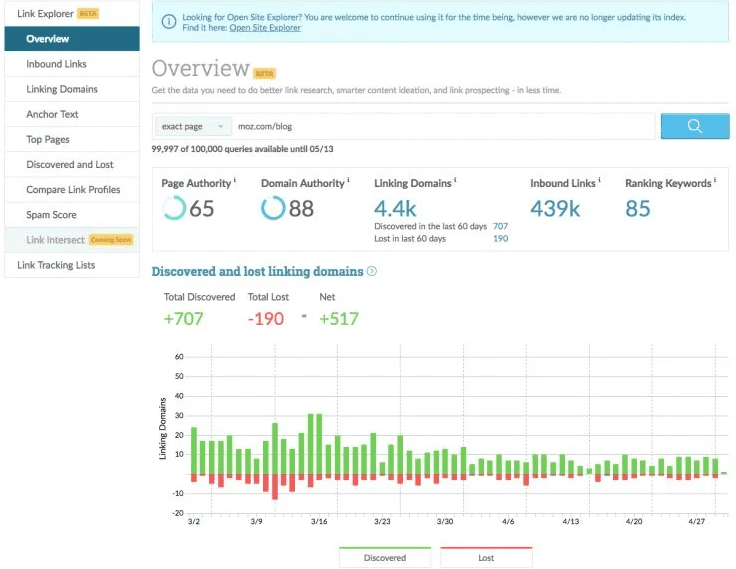
Moz makes SEO simple for everyone.
Link Explorer gives you a clear view of your backlink profile. The interface is the easiest to understand of all the significant tools. No confusing numbers or complicated reports. Just the facts you need.
The Spam Score feature is Moz’s secret weapon. It checks 27 spam signals on every linking domain. Then it gives each one a score from 0 to 17 percent. Higher scores mean higher spam risk.
Moz invented Domain Authority and Page Authority. These metrics are industry standards now. DA scores from 40 to 50 are decent. Above 60 is excellent. Above 70 puts you in the big leagues.
The Link Intersect tool is fantastic for finding opportunities. Enter your URL and up to 4 competitors. Moz shows you sites that link to them but not to you. Reach out to these sites first for quick wins.
Moz’s database isn’t as extensive as Ahrefs. But it’s still plenty big for most small businesses. You’ll find all the essential links that matter for your rankings.
Pricing starts at $69 per month. Way more affordable than Ahrefs or SEMrush. They offer a free trial so you can test the features.
Great for beginners who want powerful tools without the learning curve.
Majestic SEO
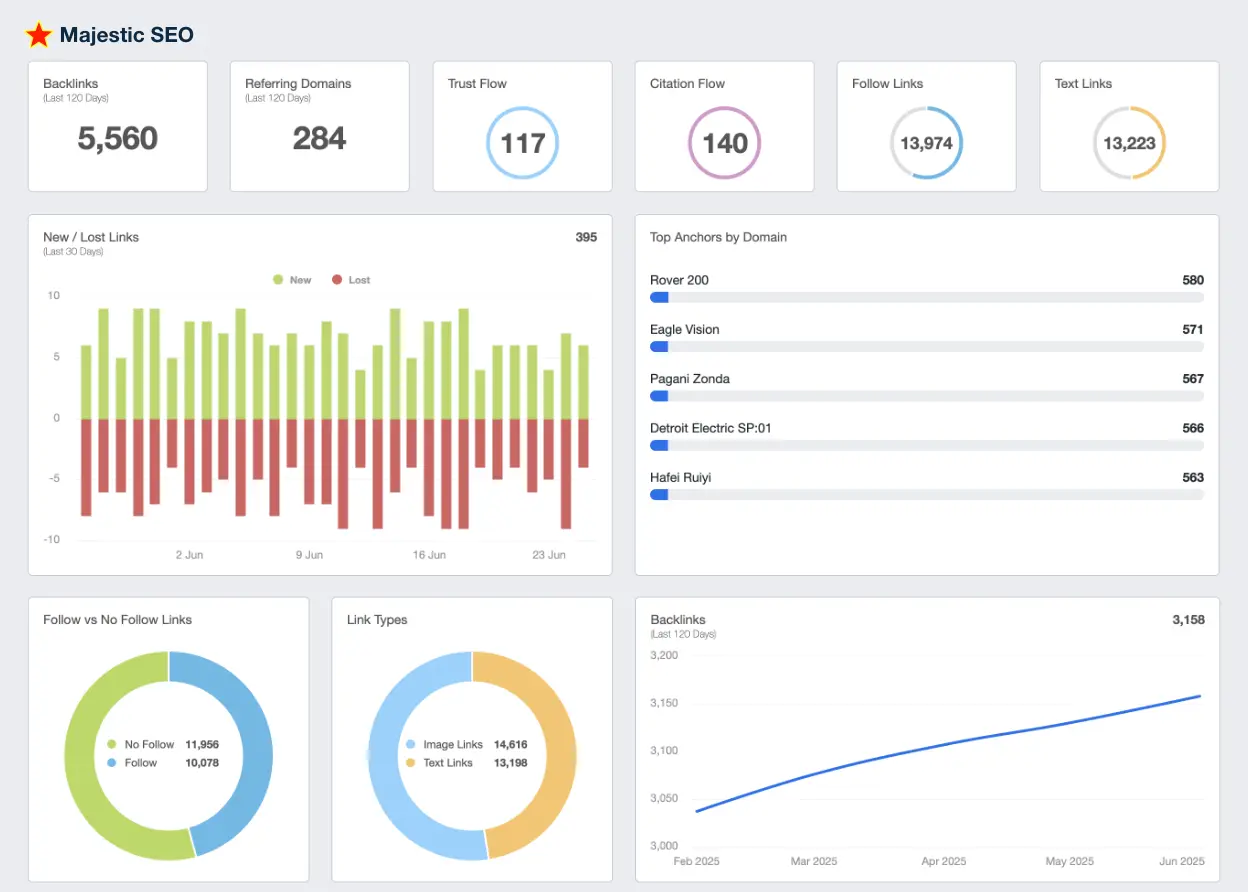
Majestic has been around since 2004. That’s longer than most SEO tools.
Their specialty is backlink data. Majestic has two separate indexes. The Fresh Index updates constantly with new links. The Historic Index goes back to 2006. This gives you the deepest backlink history available.
Majestic uses Trust Flow and Citation Flow metrics. Trust Flow measures link quality. Citation Flow measures link quantity. The best sites have high scores in both.
The Site Explorer shows you detailed link information. You see anchor text distribution, referring domains, and link types. Everything is organized into clear reports.
Bulk Backlink Checker is perfect for agencies. Check up to 400 domains at once. This saves significant time when managing multiple clients.
Majestic’s main weakness is toxicity detection. They don’t offer a built-in spam score like other tools. You need to evaluate link quality manually using their metrics.
The Lite plan costs just $49.99 per month. This makes Majestic one of the most affordable premium options. Perfect if you mainly need backlink data without fancy extras.
Best for experienced SEOs who understand metrics and don’t need hand-holding.
SE Ranking Backlink Checker
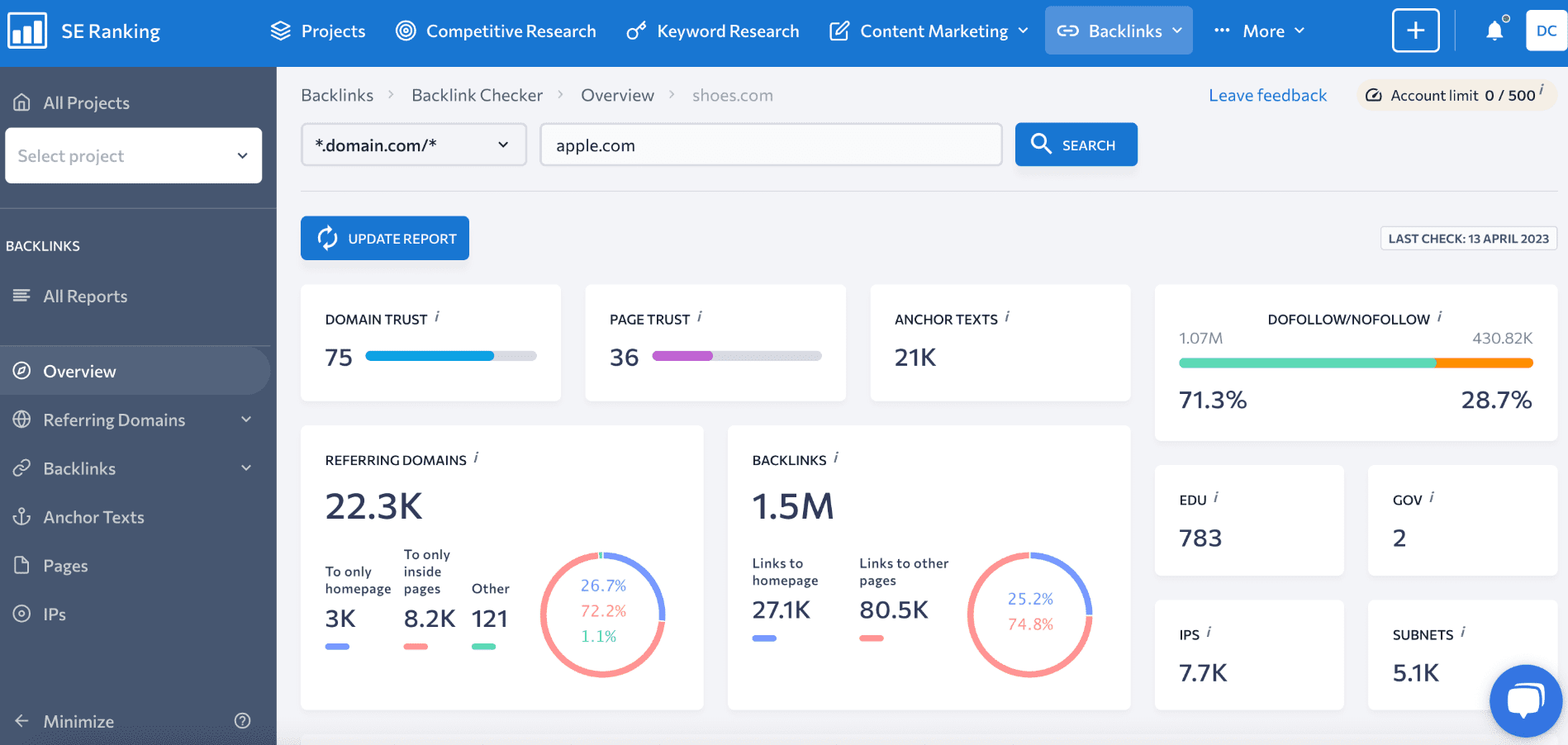
SE Ranking flies under the radar. But it packs serious power at a bargain price.
The Backlink Checker gives you everything the big tools offer. You get referring domains, backlink counts, and quality metrics. Plus, you get a detailed Toxicity Score for every link.
What sets SE Ranking apart is the constantly updated database. New backlinks show up within 24 hours. Other tools can take days or weeks to find new links. This speed helps you catch toxic links faster.
The Pages Report is super helpful. It shows which pages on your site attract the most backlinks. Use this data to double down on content that works.
SE Ranking includes a Backlink Monitor tool. It automatically tracks changes to your link profile. You see new, lost, and changed links in a single report.
The platform also includes rank tracking, site audits, and keyword research. You get a complete SEO suite for less than what competitors charge for just backlink tools.
Plans start at $55 per month. Way cheaper than Ahrefs or SEMrush. Free 14-day trial included.
Perfect for small businesses that want professional features without the hefty agency price tag.
Serpstat Link Analysis
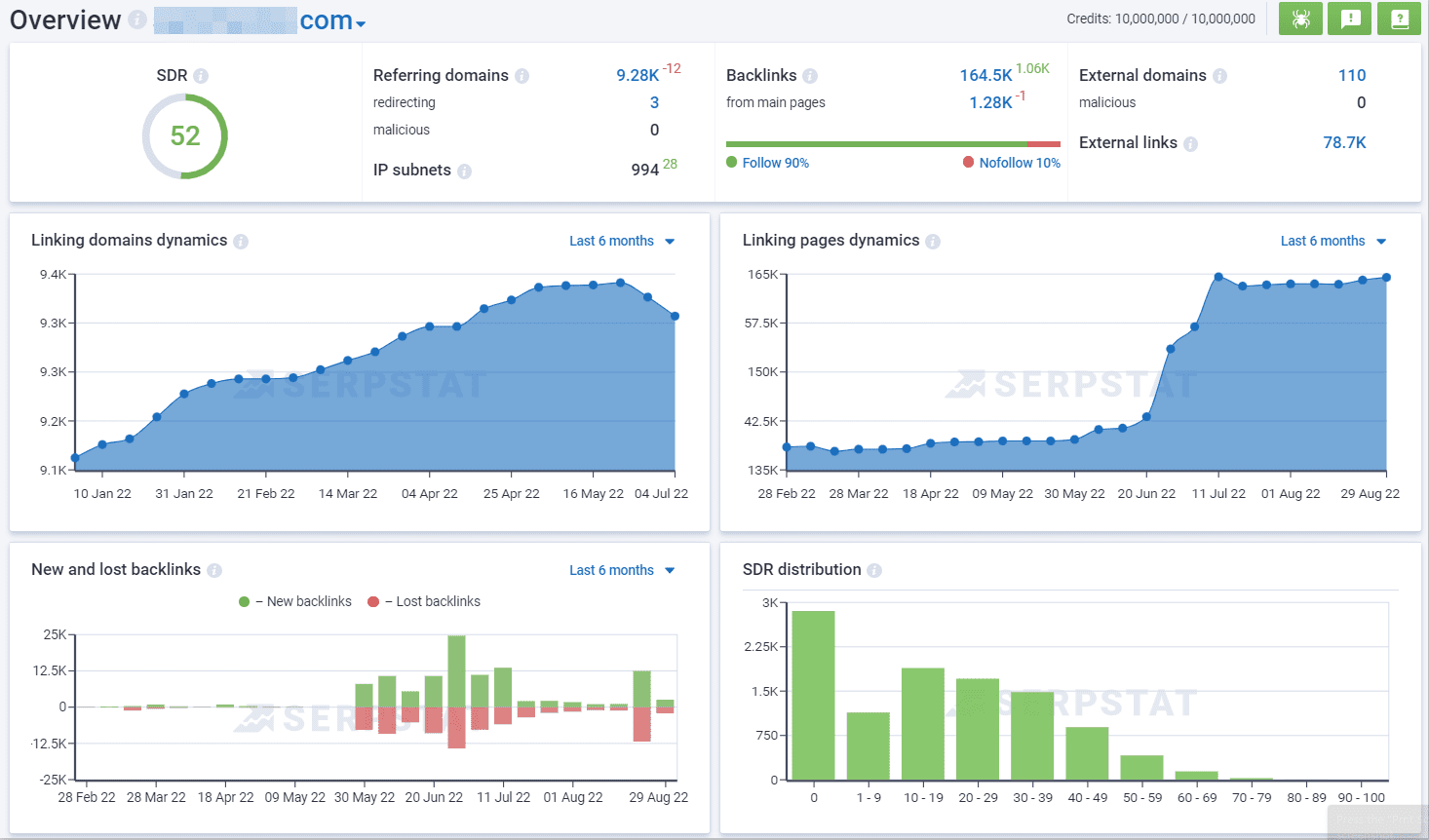
Serpstat is another affordable option worth considering.
The Link Analysis tool shows your complete backlink profile. You see total links, referring domains, and IP addresses. The reports are clean and easy to read.
Serpstat tracks your link-building progress over time. Watch your backlink count grow month by month. See which campaigns bring the best results.
The Referring Pages report shows exactly where your links come from. Click any link to see the full context. This helps you evaluate if the link placement is natural and valuable.
One cool feature is the integration with the PPC database. See if sites linking to you also run ads. This can reveal partnership opportunities you have missed.
Serpstat’s main limitation is database size. It’s smaller than the big players. You might miss some links, especially from newer or smaller websites.
Pricing starts at $59 per month. They offer a free trial to test the platform.
Suitable for startups and solo entrepreneurs who need solid tools on a budget.
Linkody Backlink Monitoring
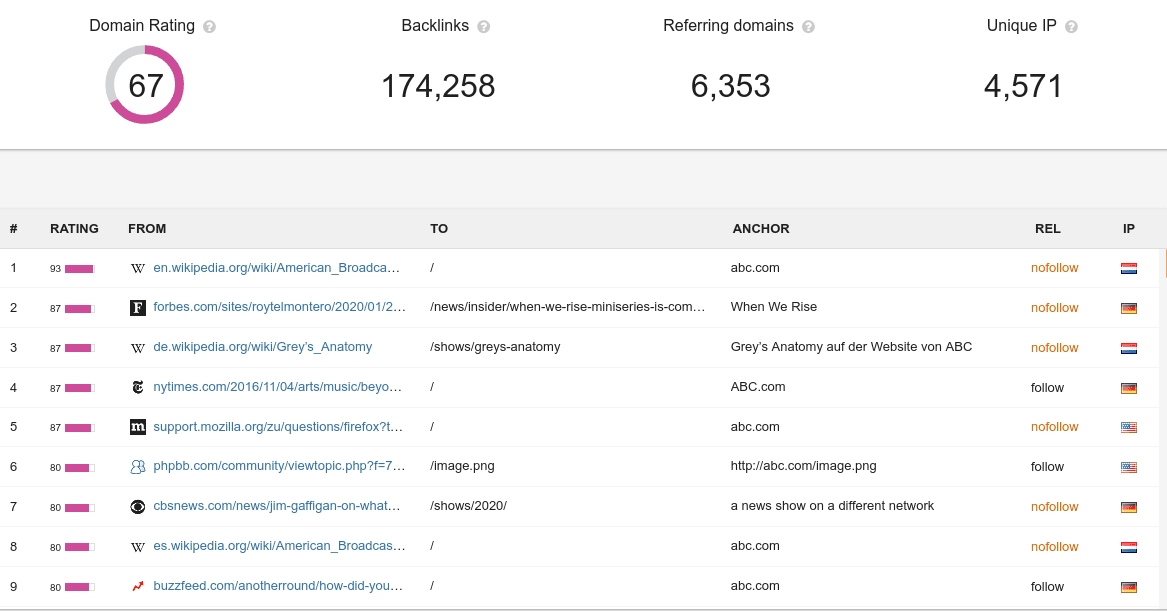
Linkody focuses on one thing and does it well. Monitoring your backlinks.
After your initial audit with another tool, use Linkody to watch for changes. It checks your links daily. You get instant alerts when links disappear or get modified.
The dashboard is straightforward. Green for good links. Yellow for caution. Red for toxic. Anyone can understand it in seconds.
Linkody includes a basic disavow tool. Mark toxic links and export the disavow file. Upload to Google Search Console, and you’re protected.
The tool also shows you competitor backlinks. See where they’re getting links. Then target those same sites for your own link-building campaigns.
Linkody works best as a companion tool. Use Ahrefs or SEMrush for deep audits. Then use Linkody for daily monitoring. This combo is more affordable than using premium tools for everything.
Plans start at just $14.90 per month for small sites. Enterprise plans for larger sites cost more but remain reasonable.
Best for ongoing monitoring after you’ve cleaned up your initial toxic links.
CognitiveSEO Link Analysis
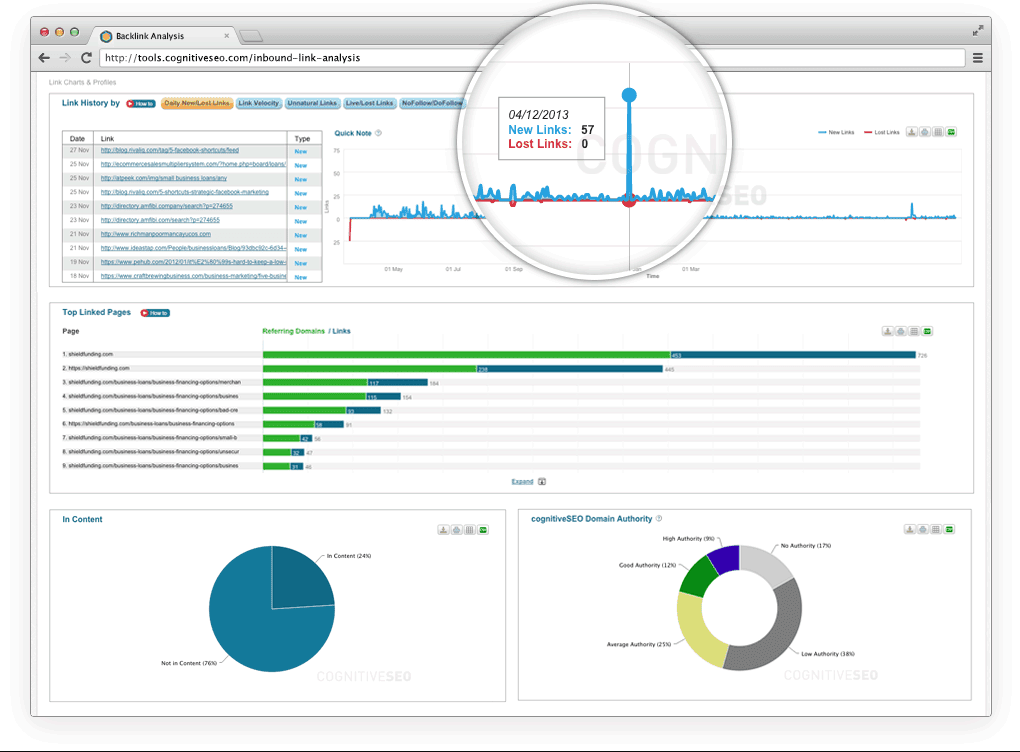
CognitiveSEO brings artificial intelligence to backlink audits.
The Unnatural Link Detection feature uses AI to find toxic backlinks. The system learns from millions of penalized websites. It spots patterns that Google considers suspicious.
The Link Influence metric is unique to CognitiveSEO. It measures how much each link actually impacts your rankings. Not all links are equal. This metric shows which ones matter most.
Content analysis is built right in. The tool examines the content surrounding your backlinks. It checks if the context is relevant and natural. This catches toxic links that other tools miss.
The Link Recovery feature helps you win back lost links. A site may have removed your link by accident. Or they did a site redesign. CognitiveSEO finds these opportunities and enables you to recover them.
Visual reports make complex data easy to understand. Charts and graphs show your link profile health at a glance. Perfect for client presentations or boss updates.
Pricing starts at $139 per month. Similar to SEMrush but with unique AI features. Free trial available.
Ideal for advanced users seeking cutting-edge technology for their backlink analysis.
SEO SpyGlass
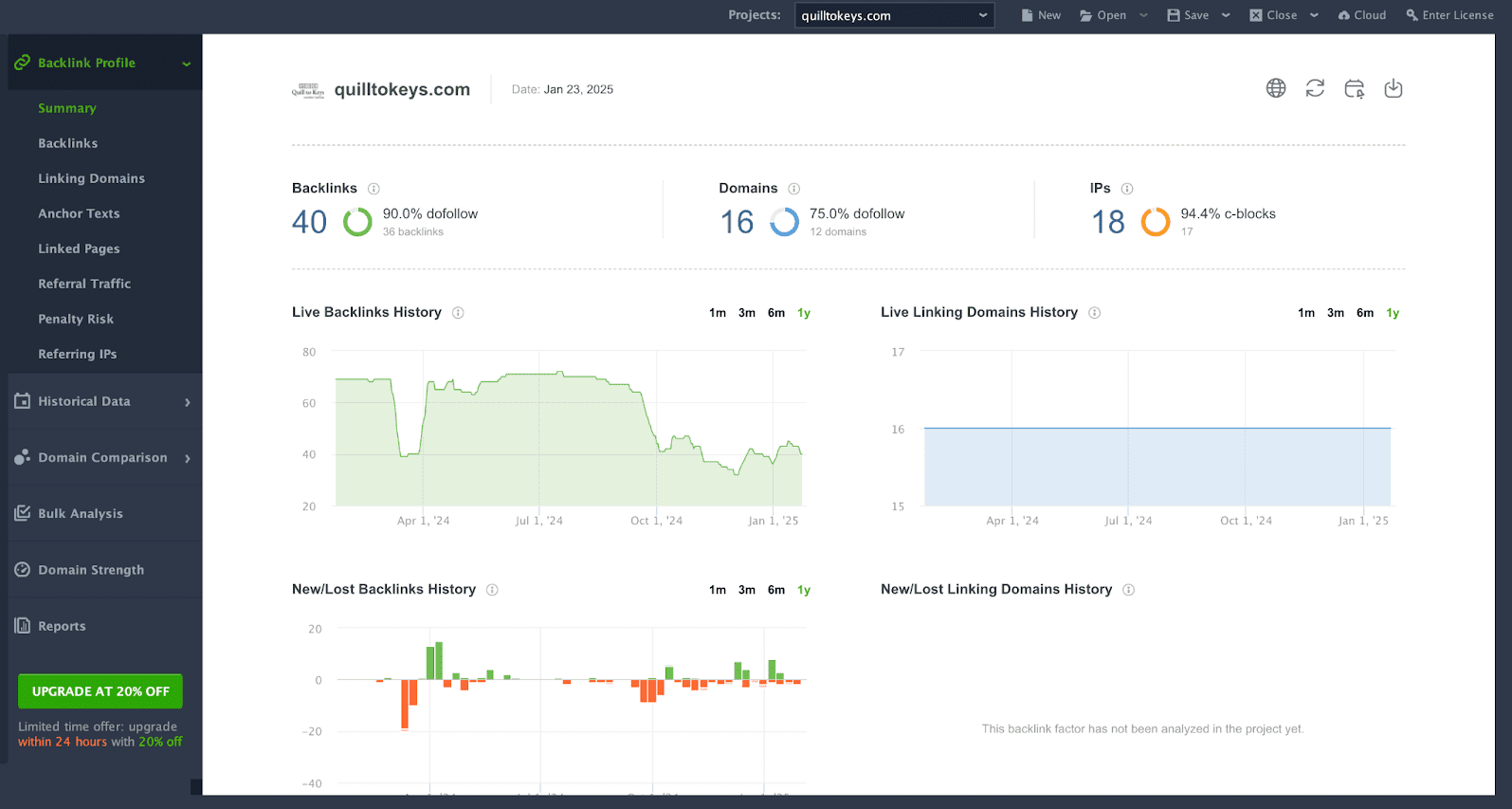
SEO SpyGlass is part of the SEO PowerSuite toolkit.
Unlike cloud-based tools, SpyGlass runs on your computer. This means unlimited checks with no monthly fees. Buy once and use it forever.
The Penalty Risk feature estimates the likelihood that your links will trigger a Google penalty. It checks for spam patterns, link farms, and other red flags. The risk score indicates whether action is needed.
Bulk Analysis is compelling. Check 200 domains at once. Perfect for agencies managing many clients or conducting competitor research.
The tool integrates with Google Analytics and Search Console. Combine data from multiple sources for the most complete picture possible.
Customizable reports let you brand them with your logo. Great for agencies that need professional client reports.
The main downside is the learning curve. Desktop software feels old school compared to modern cloud tools. It takes time to learn all the features.
One-time purchase starts at $299. No monthly fees ever. Free version available with limited features.
Best for agencies and power users who do a lot of backlink analysis and want to save money in the long term.
HyperChecker Free Backlink Tool
HyperChecker offers an entirely free backlink checker.
You don’t even need to create an account. Just enter your URL and get instant results. Perfect for quick checks when you don’t need deep analysis.
The tool shows your top backlinks, referring domains, and anchor texts. Basic stuff, but enough to spot obvious problems.
You can check any website, not just your own. Spy on competitors without spending a dime. See where they’re getting links and copy their strategy.
The limitation is that you only see a sample of links. HyperChecker shows the top 100 links, not your complete profile. For a full audit, you need a paid tool.
But for monthly quick checks or competitor research, HyperChecker gets the job done. Zero cost. Zero hassle.
Perfect for absolute beginners who want to dip their toes into backlink analysis before investing in paid tools.
Understanding Toxic Links and How They Harm Your SEO
Not all backlinks are created equal.
Some links boost your rankings. Others destroy them. Toxic links fall into the second category.
Toxic backlinks come from low-quality websites. Think spam directories, link farms, and porn sites. When these sites link to you, Google assumes you’re associated with them. Your trust score drops.
Google’s algorithms are intelligent. They can tell when links look unnatural. If you suddenly get 1,000 links in a single day, that’s suspicious. If all your links use the exact anchor text, that’s a red flag.
Here’s what makes a link toxic:
The linking site has low domain authority. Sites with authority below 10 are often spam. They have no real content, no real visitors, and no real value.
The content has nothing to do with your niche. A plumbing website linking to your dog training site makes no sense. Google sees this as manipulative.
The link comes from a known link scheme. Some networks sell links in bulk. Google tracks these networks. If you’re connected to one, you’re in trouble.
The anchor text is overly optimized. If every link to your site says “best dog food” exactly, Google knows you’re manipulating rankings. Natural links use varied anchor text.
The site is penalized or banned by Google. Linking with penalized sites is like hanging out with criminals. You get judged by the company you keep.
Understanding these factors helps you spot toxic links faster. Trust your gut, too. If a link looks sketchy, it probably is.
How to Remove Toxic Backlinks Permanently
Finding toxic links is just the first step.
Now you need to get rid of them. Here’s precisely how to do it.
Start with direct outreach. Find the contact information for the website owner. Send them a polite email asking them to remove the link. Here’s a simple template that works:
“Hi, I noticed your site links to my website at [URL]. I’m cleaning up my backlink profile and would appreciate it if you could remove this link. Thanks for your help.”
Keep it short and friendly. Most web admins will comply if you ask nicely. Give them a week to respond.
If they don’t remove the link after a week, send one follow-up email. After that, move on. Don’t waste time chasing people who won’t help.
For links you can’t remove through outreach, use Google’s Disavow Tool. This tells Google to ignore specific links when ranking your site.
Create a text file listing all the toxic links. Put one URL per line. For evil domains, disavow the entire domain. Just type “domain:” before the URL.
Upload this file to Google Search Console. Go to the Disavow Tool, select your website, and upload the file. Google will process it within a few weeks.
Here’s the critical part. Disavowing should be your last resort. Google’s John Mueller has said many times that Google is good at automatically ignoring bad links. Only disavow if you have a manual penalty or if you have massive amounts of obvious spam.
After disavowing, monitor your rankings. Sometimes rankings drop temporarily before they recover. This is normal. Give it 4 to 8 weeks to see the full effect.
Keep a record of every link you disavow. You should add more later. The disavow file is cumulative, so you need to include old and new links each time you update it.
Building a Healthy Backlink Profile That Lasts
Cleaning up toxic links is defensive SEO.
But you also need offense. You need to build quality links that boost your rankings.
Start by creating content worth linking to. Write detailed guides. Share original research. Create useful tools or calculators. Give people a reason to link to you.
Guest posting still works great. Find blogs in your industry that accept guest posts. Pitch them unique topic ideas. Write amazing content for free. Get a natural link back to your site in return.
Broken link building is underused but effective. Find broken links on authority sites in your niche. Contact the site owner. Offer your content as a replacement. They fix their broken link. You gain a quality backlink. Everybody wins.
Resource page link building works too. Many sites maintain lists of helpful resources. Find these pages in your industry. If your content fits, ask to be added. Most will say yes if your content is truly valuable.
Getting links from authority sites matters more than getting lots of links from weak sites. One link from a primary news site beats 100 links from spam blogs. Quality always beats quantity. For more ideas on building a strong foundation, check out our guide on the best link-building tools for beginners.
Focus on relevance, too. Links from sites in your industry carry more weight. A link from a dog training blog helps a pet store way more than a link from a random tech blog.
Keep your anchor text natural. Use your brand name most of the time. Mix in some generic phrases like “click here” or “read more.” Only occasionally use keyword-rich anchors. This looks natural to Google.
Build relationships with other site owners. Comment on their blogs. Share their content on social media. Help them out when you can. Relationships lead to links naturally over time. To track your progress and protect your hard work, consider using backlink monitoring tools to stay on top of changes.
Never buy links from shady services. Those cheap Fiverr gigs promising 10000 backlinks are poison. They’ll tank your rankings faster than anything. If a link-building service seems too good to be true, it definitely is.
Competitor Backlink Analysis for Better Link Building
Your competitors are goldmines of link opportunities.
They’ve already done the hard work of finding sites that link to businesses like yours. Now you need to copy their success.
Use any of the tools above to analyze competitor backlinks. Enter their URL and see every site linking to them. Sort by domain authority to find the most valuable links.
Look for patterns. Do they get lots of links from industry directories? Submit your site to those same directories. Do they get links from specific blogs? Reach out to those bloggers with your own content pitches.
The competitors backlink analysis tool features in SEMrush and Ahrefs are perfect for this. They show you link gaps. These are sites linking to your competitors but not to you. These sites already link to businesses like yours. They’re your best prospects.
Focus on the competitor ranking just above you. If they’re much bigger and more established, their link-building strategy might be beyond your reach. But competitors of a similar size have tactics you can copy.
Check what content gets them the most links. Is it how-to guides? List posts? Original research? Then create better versions of that content. Skyscraper technique still works when done right.
Don’t just copy their links, though. Use competitor research for inspiration and ideas. Then execute your own unique outreach campaigns.
Common Backlink Audit Mistakes to Avoid
Even experienced marketers sometimes mess up backlink audits.
Here are the biggest mistakes I see over and over again.
Disavowing too aggressively. Some people see a few low-authority links and panic. They disavow everything below DA 30. This is wrong. Not every low authority link is toxic. Some are just small websites run by real people. Only disavow obvious spam.
Ignoring internal linking. Everyone obsesses over external backlinks. But internal links matter too. They help Google understand your site structure. They pass link equity between your pages. Audit your internal links alongside your external ones.
Checking backlinks just once. A single audit isn’t enough. Your backlink profile changes constantly. New toxic links can appear anytime. Check monthly at a minimum of weekly, if you’re in a competitive niche. For ongoing campaign management, explore outreach link-building tools to streamline your efforts.
Focusing only on toxicity. Yes, removing toxic links is essential. But finding opportunities matters more. Use audits to discover link-building ideas. See what’s working for competitors. Identify content gaps you can fill.
Trusting one tool completely. Every tool has blind spots. Their databases aren’t identical. Cross-reference suspicious links between tools before taking action.
Not documenting your work. Keep spreadsheets tracking every link you check. Record dates, actions taken, and results. This helps you spot patterns and measure progress over time.
Expecting instant results. SEO takes time. After removing toxic links, you might not see ranking improvements for weeks or months. Be patient. Keep building quality links while you wait.
Ignoring context. A link from a casino site looks toxic if you sell baby products. But if you sell gambling books, that link might be perfectly relevant. Always consider context before labeling links as toxic.
Take Control of Your Backlinks with The Tool Marketer
Your backlink profile shapes your entire SEO future.
Clean it up today, and you’ll see better rankings tomorrow. Keep it healthy, and you’ll dominate your competition for years.
The tools in this guide give you everything you need. Pick one that fits your budget. Start your first audit this week. You’ll be shocked at what you discover.
Most businesses find 50 to 200 toxic links on their first audit. Some find thousands. The sooner you clean them up, the sooner your rankings recover.
Don’t wait until Google penalizes you. Be proactive. Audit your backlinks every month. Monitor for new toxic links continuously. Build quality links that actually help your business.
At The Tool Marketer, we believe business deserves world-class SEO tools and knowledge. That’s why we test and review every platform. We find the best options at every price point.
Ready to take your SEO to the next level? Start your backlink audit today with any tool from this guide. Your rankings will thank you.
Got questions about choosing the right backlink audit tool? Drop a comment below or reach out to The Tool Marketer team. We’re here to help you succeed.
Frequently Asked Questions
What are the best backlink audit tools for beginners?
The best backlink audit tools for beginners are SEMrush, SE Ranking, and Moz. These tools offer simple interfaces with clear toxicity scores. They show you exactly which links hurt your rankings without confusing technical jargon.
Which backlink audit tool finds toxic links most accurately?
SEMrush finds toxic backlinks most accurately using 45 toxicity markers. CognitiveSEO is also excellent with AI-powered detection. Ahrefs provides detailed spam flags that help you identify problem links quickly.
How often should I use backlink audit tools?
Use backlink audit tools at a minimum once a month. For competitive industries, audit weekly. Set up automated monitoring with tools like Linkody so you catch new toxic links immediately before they damage your rankings.
Are free backlink audit tools worth using?
Free backlink audit tools like HyperChecker work for basic checks. But they miss many links and lack toxicity scores. For serious audits, paid tools like Ahrefs or SEMrush are worth the investment for accurate results.
What is the best tool for backlink audit and competitor analysis?
Ahrefs is the best tool for both backlink audit and competitor analysis. It has the most extensive database with over 400 billion pages. SEMrush is also excellent, with powerful competitor comparison features built in.
Can backlink audit tools help improve my SEO rankings?
Yes, backlink audit tools can significantly improve SEO rankings. They identify toxic links dragging you down. Remove those bad links, and your domain authority recovers. This leads to better rankings and more organic traffic.
How do backlink audit tools detect toxic links?
Backlink audit tools detect toxic links by checking spam signals, domain authority, link patterns, and anchor text. They compare your links against millions of penalized websites. Then they assign toxicity scores to each link.
Which tool is best for checking backlinks on a budget?
SE Ranking is the best tool for checking backlinks on a budget at just $55 monthly. Serpstat at $59 monthly is also affordable. Both offer professional features without the premium price of Ahrefs or SEMrush.
Do I need multiple backlink audit tools?
You don’t need multiple backlink audit tools for basic work. One good tool, like SEMrush, handles everything. But using two tools for cross-checking suspicious links improves accuracy. Combine Ahrefs with SEMrush for the best results.
How long does it take backlink audit tools to scan my site?
Most backlink audit tools scan your site in 2 to 5 minutes. Larger sites with thousands of backlinks take 10 to 15 minutes. Tools like SEMrush and Ahrefs work fastest with real-time database updates.
Can backlink audit tools remove toxic links automatically?
No, backlink audit tools cannot automatically remove toxic links. They identify the bad links for you. Then you must contact website owners for removal or use Google’s Disavow Tool to ignore those links.
What features should I look for in backlink audit tools?
Look for backlink audit tools with toxicity scoring, referring domain reports, anchor text analysis, and competitor comparison. Automated monitoring alerts and disavow file generators save significant time on ongoing link management.